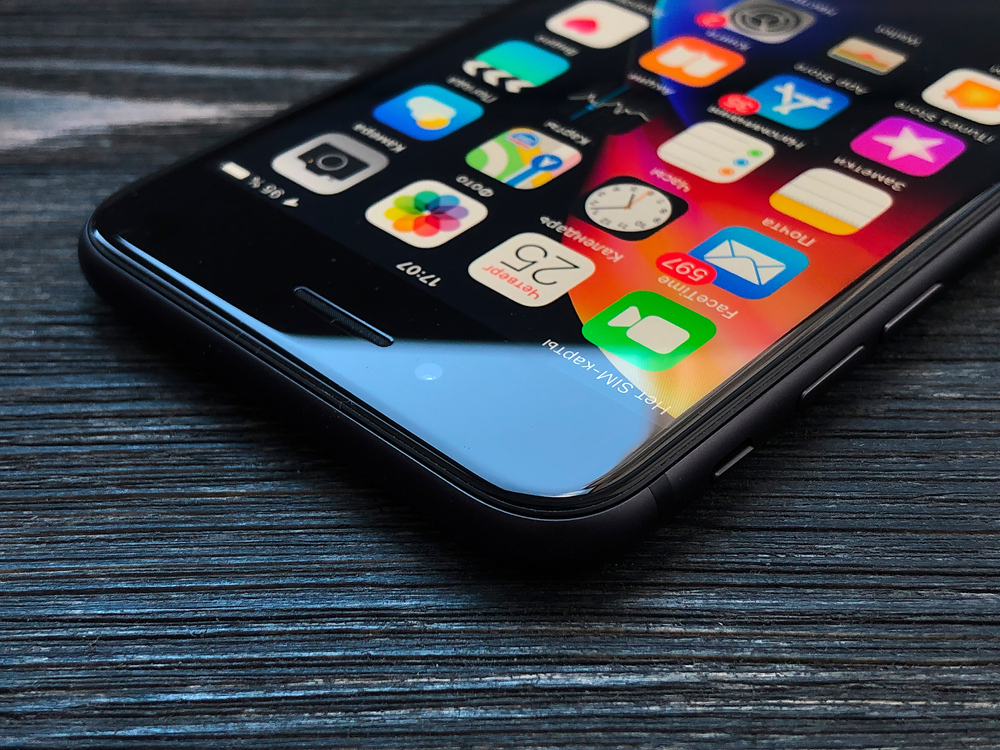
A well-designed mobile app can significantly enhance your business's visibility, engage your target audience, and drive revenue. However, creating an outstanding mobile app is just the beginning - ensuring its successful promotion can be a daunting task. With millions of apps out there, standing out from the crowd requires a strategic approach. In this article, we will explore insider tips to master mobile App Store or Google Play app marketing, helping you achieve optimal results and maximize your app's potential.
1. Know Your Audience
Understanding your target audience is crucial for effective app marketing. Start by conducting thorough market research to identify who your potential users are, their preferences, behaviors, and pain points. Armed with this knowledge, you can tailor your marketing efforts to resonate with your audience and increase the chances of attracting their attention and engagement.
Consider creating user personas to paint a clearer picture of your target audience. These personas represent hypothetical individuals who represent different segments of your ideal user base. By properly defining your target audience, you can develop personalized marketing campaigns that will appeal to their specific needs and preferences.
2. Optimize App Store Optimization (ASO)
App Store Optimization (ASO) is the process of improving your app's visibility and organic search rankings on app stores. When users search for relevant keywords, a well-optimized app will be more likely to appear in the search results, increasing the chances of downloads.
To master ASO, consider the following tips:
- Keyword Research: Conduct thorough keyword research to identify the most relevant and high-traffic keywords for your app. Include these keywords strategically in your app's title, description, and metadata. Compelling App Description: Craft a compelling and concise app description that highlights its unique features and benefits. Use persuasive language that entices users to download your app. Captivating App Icon: Design an eye-catching app icon that reflects your app's purpose and grabs users' attention amidst numerous other icons. Visual Assets: Include high-quality screenshots and promotional videos to showcase the app's key features. Visuals play a crucial role in attracting and converting potential users. User Reviews and Ratings: Encourage satisfied users to leave positive reviews and ratings, as these contribute to the credibility and visibility of your app.
3. Leverage Social Media Marketing
Social media platforms provide an excellent opportunity to promote your mobile app and engage with your target audience on a personal level. Here's how you can leverage social media for effective app marketing:
- Create Engaging Content: Develop compelling content that showcases the value and benefits of your mobile app. Whether it's informative blog posts, engaging videos or visually appealing graphics, tailor your content to each social media platform and its unique audience. Influencer Marketing: Collaborate with relevant social media influencers who align with your app's target audience. Their endorsement and promotion can significantly boost your app's credibility and reach. User-Generated Content: Encourage users to share their experiences with your app by posting reviews, tutorials, or testimonials. User-generated content fosters trust among potential users and can serve as valuable social proof. Engaging with Users: Actively engage with your audience by responding to their comments, queries, and feedback. Building a strong community around your app will foster loyalty and increase word-of-mouth marketing.
4. Collaborate with Influencers and Bloggers
Partnering with influencers and bloggers who have a strong presence in your app's niche can help extend your reach and improve your app's visibility. Seek out influencers who have a significant following and are relevant to your target audience. By collaborating with them, you can tap into their established audience base and generate buzz around your mobile Google Play or App Store app .
When approaching influencers and bloggers, keep the following points in mind:
- Relevance: Ensure that the influencer or blogger's niche aligns with your mobile app's target audience. This will ensure that the promotion reaches the right people who are more likely to engage and convert. Authenticity: Look for influencers and bloggers who maintain authenticity and credibility among their followers. Their promotion of your app should feel genuine and resonate with their audience. Sponsored Content: Collaborate with influencers and bloggers to create sponsored content that highlights the unique features and benefits of your mobile app. This could include sponsored blog posts, social media mentions, or dedicated app reviews.
5. Implement App-Install Ads
App-install ads are a powerful advertising tool to promote your mobile app across various platforms and networks. Here are a few strategies to effectively implement app-install ads:
- Targeted Advertising: Utilize the targeting options provided by ad networks to display your app-install ads to your specific target audience. These options often include demographic filters, interest-based targeting, and geographic segmentation. Compelling Ad Creatives: Develop visually appealing creatives that grab users' attention and effectively communicate the value proposition of your app. Use enticing headlines, clear visuals, and strong calls-to-action. A/B Testing: Experiment with different ad formats, visuals, and ad copies to identify the most effective combinations. Conduct A/B testing to optimize your ad performance and improve click-through and conversion rates. Tracking and Analytics: Implement tracking mechanisms to measure the effectiveness of your app-install ads. Monitor key metrics such as click-through rates, conversion rates, and cost per install to assess your campaign's performance and make data-driven optimizations.
Frequently Asked Questions (FAQs)
1. How long does it take to successfully market a mobile app?
The time required to successfully market a mobile iOS or Android app can vary depending on various factors, including the app's niche, competition, marketing strategies, and budget. It typically takes consistent effort and continuous optimization to achieve desirable results. Patience and a long-term marketing plan are advised.
2. Is app store optimization (ASO) a one-time process?
No, ASO is an ongoing process. The app stores' algorithms continuously change, and your competitors are also updating and optimizing their listings. Regularly monitor your app's performance, update keywords, make adjustments to your app description, and stay up to date with the latest ASO best practices to maintain optimal visibility.
3. Should I focus on a specific social media platform for app marketing?
The choice of social media platforms depends on your app's target audience. Research the demographics and user behavior of different platforms to identify where your potential users spend the most time. Instead of spreading yourself too thin, focus on the platforms that align best with your target audience's preferences and needs.
4. Can I approach influencers with a small or limited marketing budget?
Absolutely! While influencers with massive followings might require a larger budget, micro-influencers with smaller but highly engaged communities can still bring significant benefits and align better with limited marketing budgets. Focus on building personal relationships, providing value, and creating mutually beneficial partnerships.
5. How can I measure the success of my app marketing efforts?
Key metrics mobile Android or iOS app to measure the success of your app marketing efforts include the number of app downloads, user acquisition cost (CAC), customer lifetime value (CLTV), retention rate, in-app purchases, user engagement, and ratings/reviews. Set clear goals, track these metrics using analytics tools, and regularly evaluate your performance to identify areas for improvement.
Mastering mobile app marketing is a continuous learning journey. By understanding your audience, optimizing your app's presence, leveraging social media, collaborating with influencers, and implementing app-install ads, you can build a successful marketing strategy that drives downloads, engagement, and long-term success for your mobile app .
Other useful resources
- https://simple.wikipedia.org/wiki/App_Store_(iOS)
- https://en.wikipedia.org/wiki/Mobile_app_development